Daily Challenge Guide

Slay the Spire 2 Daily Leaderboard Ranking Guide

The live daily board is not a mystery score pile. It ranks by win state first, then floors reached, then badge count, and only then by faster finish time.

If you are still treating the board like a pure badge race, you are reading the wrong column first. The ranking only starts caring about badges after it already checked whether the run won and how far it climbed.

Priority orderWin > Floor > Badges > TimeTime displaym:ssDaily uploadsOne per dayBadge tiersStill count as 1
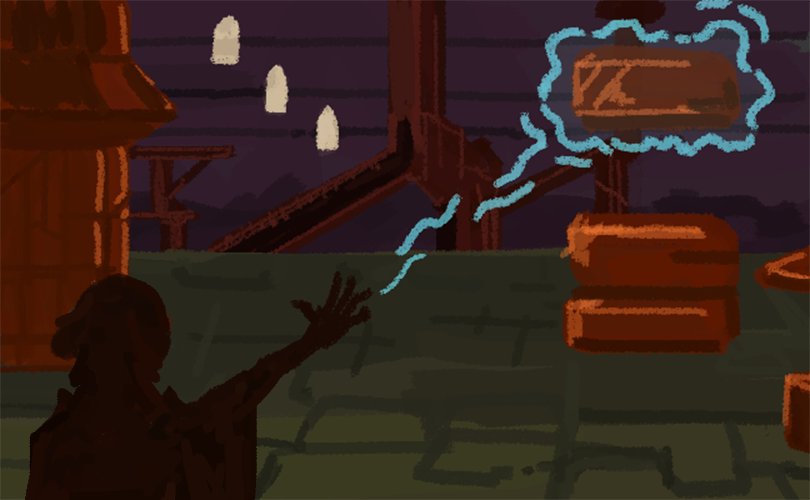
Daily challenge artwork from Slay the Spire 2

What The Board Checks First

This is a four-step board. If you skip one step and jump straight to badges, you are solving the wrong problem.

Step 1

Win state comes first

A finished win outranks a finished loss. No amount of extra badges or a faster clear time will rescue a loss over a win.

Stored as `2` for a win and `1` for a loss.

Step 2

Floors break ties before badges

Among runs with the same win state, the board next checks how many map nodes were visited. A deeper run ranks higher before badge count even enters the conversation.

This is the part most players miss.

Step 3

Badge count is third, not first

Badges still matter, but only after the board has already matched win state and floor count. More badges help only inside that narrower tie window.

The board counts obtained badge families, not score rarity.

Step 4

Time is the final tiebreaker

When win state, floor count, and badge count all match, the faster run takes the higher slot. The board stores this in seconds and displays it as minutes and seconds.

Lower time wins the last comparison.

Stored Formula

The board order is explicit. The encoded value gives the biggest weight to win state, then floor count, then badge count, and only then to lower time.

Encoded score

victory x 100000000 + floors x 1000000 + badges x 10000 + (9999 - timeInSeconds)

Floor field

The board uses visited map nodes and clamps the stored value at 99.

Badge field

Badge count is also clamped at 99, but badge rarity does not add extra weight by itself.

Badge rarity read

Bronze, Silver, and Gold look different in the run summary, but each obtained badge family still adds only one badge to leaderboard count.

Floor icon from Slay the Spire 2 daily leaderboard

Most common misread

Floor count is not filler UI

The board exposes floors because floors are part of the ranking key. If two wins do not match on floors, badge count still has not entered the comparison.

Comparison Reads

These examples show where players usually mis-rank the board by instinct instead of by the actual order.

Any win beats any loss

Run A
Win41 floors2 badges58:20
Run B
Loss56 floors8 badges32:05

Run A ranks higher.

The board never reaches floors, badges, or time until win state is matched first.

More floors beat more badges

Run A
Win52 floors4 badges47:12
Run B
Win48 floors7 badges39:44

Run A ranks higher.

Badge count is checked only after the floor total matches.

Time resolves the final tie

Run A
Win50 floors5 badges36:40
Run B
Win50 floors5 badges39:05

Run A ranks higher.

Once win state, floors, and badges are equal, the faster clear takes the slot.

Badges Worth Watching

These are useful badge families to recognize fast. They are still bonus pressure, not permission to throw the run.

Speedy badge icon from Slay the Spire 2

Speedy

Win under 50 minutes for Bronze, 40 for Silver, or 30 for Gold.

This is the clean badge to watch when your line is already stable. Chasing it by panicking into worse fights is how players lose both the badge and the run.

Elite badge icon from Slay the Spire 2

Elite Hunter / Killer / Slayer

Defeat 3, 6, or 9 elites for Bronze, Silver, or Gold.

Elite count is one of the most route-sensitive badges. It often lines up naturally with strong daily seeds, but it is still only one badge family on the board.

Money Money badge icon from Slay the Spire 2

Money Money

Win while holding 200 gold for Bronze, 400 for Silver, or 600 for Gold.

This badge looks tempting, but hoarding gold at the wrong shop can cost more rank than the badge returns if it lowers floor reach or kills the run.

Perfect badge icon from Slay the Spire 2

Perfect

Defeat 1 boss without losing HP for Bronze, 2 for Silver, or 3 for Gold.

This badge rewards a run that is already under control. It is a good bonus target, not a reason to take low-percentage lines and throw the board away.

Fast Judgment

These are the reads that keep daily planning from drifting back into old score habits.

Stop reading the board like the old score system

The current board is threshold-driven. It does not care about a large pile of mixed combat points. It cares about rank order fields in a fixed sequence.

Do not confuse badge rarity with extra leaderboard weight

A Gold badge is still one badge family for ranking purposes. Higher rarity changes the badge itself, not the number of badge slots the board sees.

A deeper win can beat a cleaner-looking win

If the other run reached more floors, your higher badge count does not matter yet. Route depth is ahead of badges in the board order.

The first uploaded result is the only uploaded result

You can replay the daily, but later runs do not replace the first submitted board entry for that day.

FAQ

Short answers for the ranking mistakes that show up most often.

What is the live daily leaderboard order?

The board checks win state first, then floors reached, then badge count, and finally faster time.

Does a Gold badge count for more than a Bronze badge on the leaderboard?

No. Badge rarity changes the badge tier, but the leaderboard badge field still counts one obtained badge family as one badge.

Why does the leaderboard show floors if badges are supposed to matter?

Because floors are part of the stored rank order. The board uses floor count before badge count, so the floor column is not decorative.

Can I replay the daily and upload a better result later?

No. You can replay the daily, but only one result is uploaded for that day.

How is time displayed on the board?

The board stores the tiebreaker in seconds and displays it as minutes and seconds, such as 36:40.

Related Pages

Open the page that answers the next question instead of forcing one daily guide to do unrelated jobs.