
Open a guide when you need act pacing, pickup priorities, and common shell traps for one character instead of one isolated card.
Character Guide Hub
Slay the Spire 2 Character Guides
Five full character pages, one clean entry point. Use this hub when the real question is class plan, route shape, or shell identity, then leave for a tool the moment the problem turns into exact math.
5Characters
454Cards covered
40Relics covered
5Guide routes
Once the decision becomes one campfire, one damage check, or one draft slot, the correct move is usually a tool or database page, not more hub browsing.
Maintenance Signals
Who Maintains This Page
Maintenance Signals
Who Maintains This Page
Core hub pages should not look anonymous. These signals show who curates the hub, when it was reviewed, and where the real source page lives when you need more than a summary.
Independent fan-made editors and data maintainers. This is not an official Slay the Spire 2 or Mega Crit property.
Final site operator and responsible editor. Final contact for corrections, rights notices, and maintenance triage via shwuhen@gmail.com.
Visible copy, links, and page-level signals were checked in the latest review pass.
If a patch moves the numbers, wording, or assumptions behind this page, the page gets revised, narrowed, or rechecked again.
Hub pages point you toward the maintained leaf pages instead of pretending one overview can carry every edge case.
Summaries help you navigate. The linked tool, guide, or database page remains the canonical page for the underlying calculation or note.
Editorial standardsRead the site-wide source boundary, patch workflow, correction path, and desk ownership rules.Patch workflowRead how the site rechecks data and editorial layers after a live update.Report stale dataUse the contact page or email the site operator when a number, rule, editorial note, or rights boundary looks wrong.
Choose A Character
Pick the guide that matches the run you are actually playing. Every page keeps the layout stacked top to bottom, so the read order stays simple even on smaller screens.
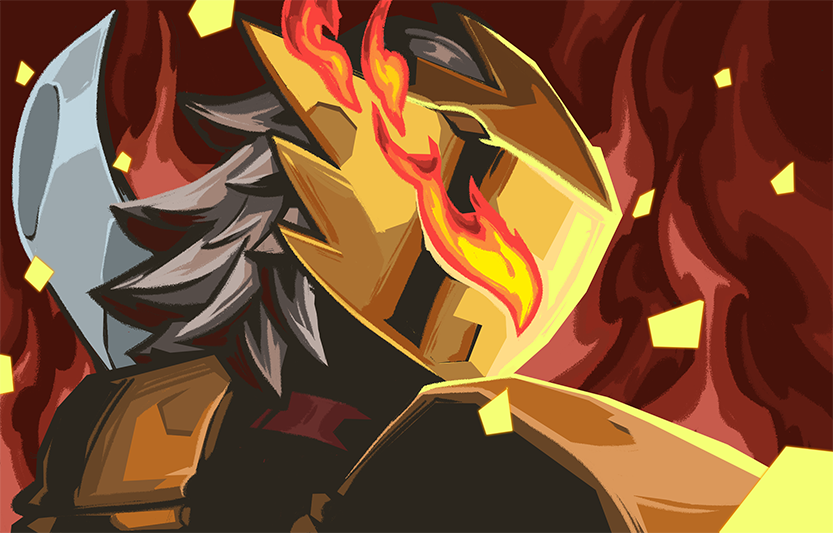
90 cardsVulnerable burst
The Ironclad
Front-loaded damage, clean Vulnerable windows, and enough self-sustain to take hard Act 1 lines without folding.
Early deathsRelic pairs
Open guide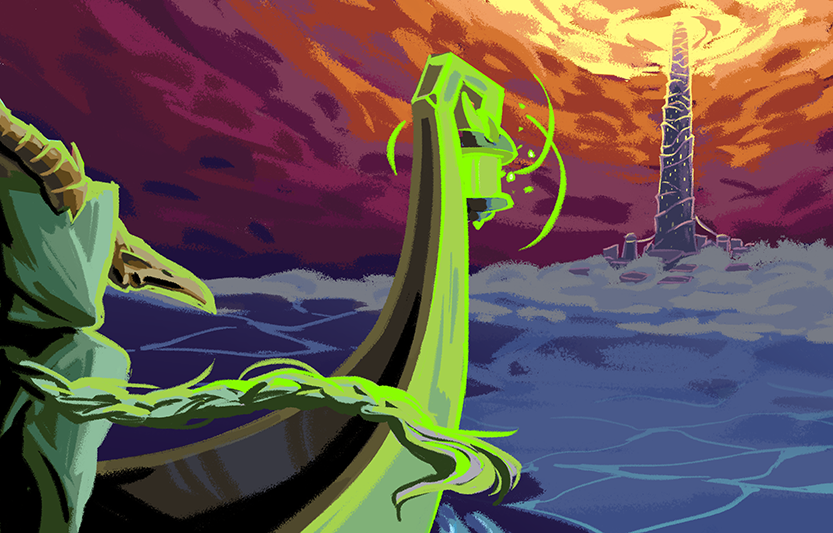
91 cardsPoison and Shiv pressure
The Silent
Weak, poison carry, sharp draw manipulation, and enough burst tools to pivot between slow kills and fast turns.
Trap cards
Open guide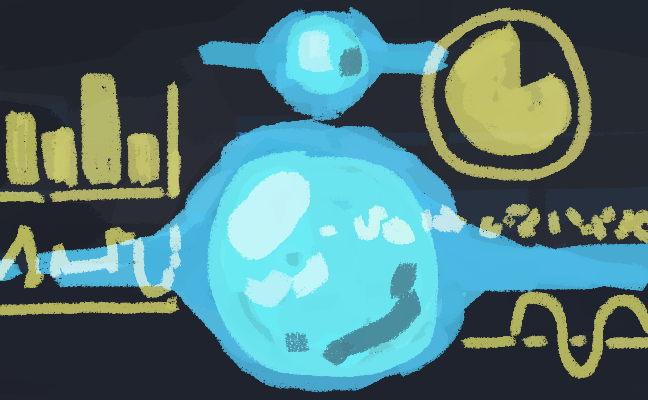
91 cardsFocus and Orb control
The Defect
Orb setup, Focus scaling, Frost defense, and late turns that get much bigger once the board is stable.
Turning pointsCommon misreads
Open guide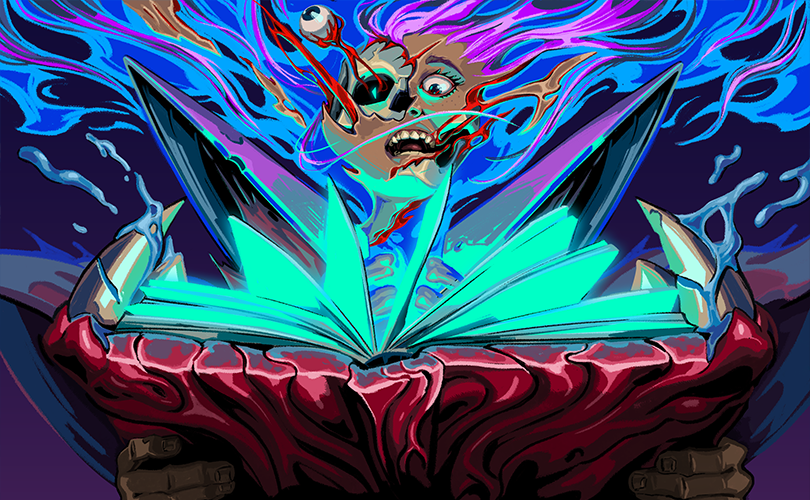
91 cardsDoom threshold control
The Necrobinder
Doom thresholds, Osty pressure, Soul loops, and delayed lethal that becomes safe only when the shell survives the setup.
MisreadsTurning nodes
Open guide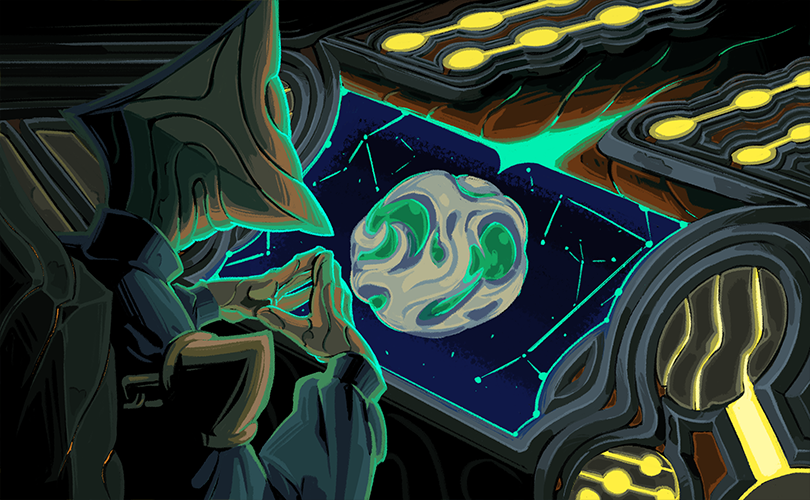
91 cardsStars and Forge sequencing
The Regent
Stars as a real resource, Forge as a payoff engine, and explosive turns that still need a steady economy underneath them.
Trap cardsRelic pairs
Open guideHow To Use The Character Layer
The hub should tell you which kind of guide answer you need, and when to stop using guide prose and move into a narrower planning surface.
Pick the guide by failure point
Use Ironclad for frontload and exhaust questions, Silent for timing and role split, Defect for setup speed, Necrobinder for Doom windows, and Regent for Stars economy and forge tempo.
Read class pages for shell judgment
The guides are built to answer what the class is trying to become, which pivots are bait, and what the next act actually punishes. That is guide work, not database work.
Leave when the question turns numeric
The moment the problem becomes exact damage, one campfire, one relic transfer, or one route threshold, stop reading the hub and open the narrower planner or calculator.
Compare classes without flattening them
The shared layout keeps navigation easy, but the pages no longer pretend that every character fails for the same reason or wants the same package density.