Patch Guide

Slay the Spire 2 V103.2 Ironclad Card Changes

Ironclad did not get a flashy rebuild here. The live changes are smaller and nastier: Cinder now burns a random card from your hand, and Tremble is finally honest about leaving the cycle.

That means the patch hits hand texture more than headline power. One card becomes riskier inside premium turns, and the other stops pretending it can be spammed forever as cheap Vulnerable setup.

Patch branchV103.2Cards covered2Cinder shiftTop deck → random handTremble shiftExhaust added
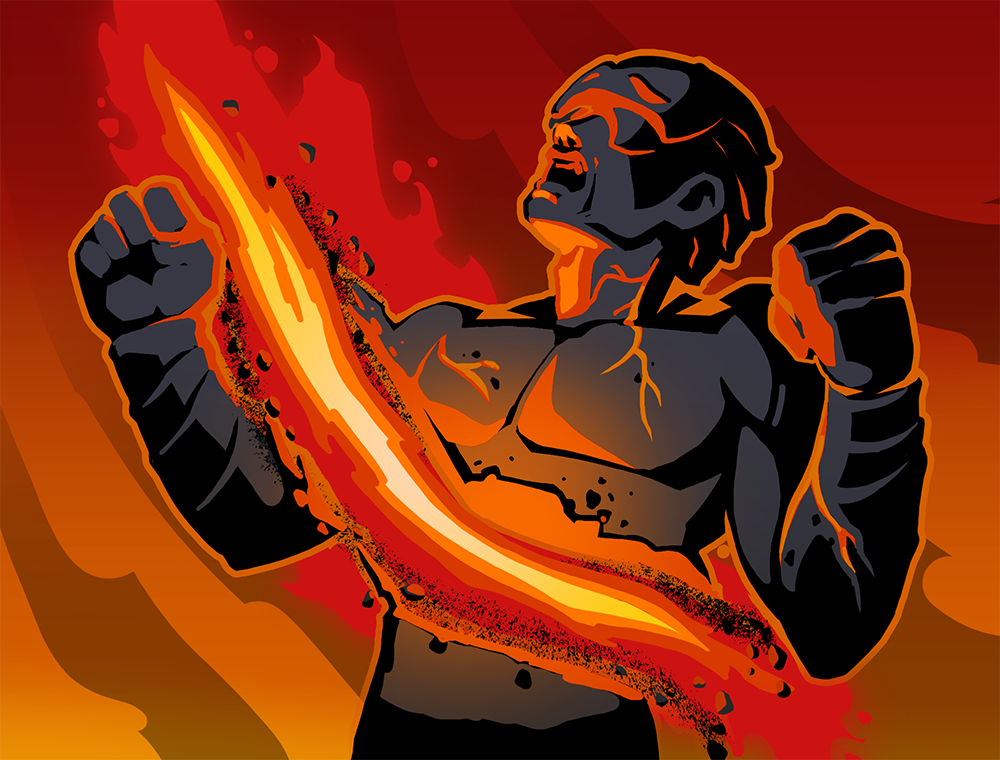
Cinder card artwork

Core Judgment

This patch is small on paper and meaningful in play. Both changes are really about honesty: one downside becomes immediate, and one setup card finally declares that it leaves the cycle.

Cinder is the real gameplay change. Moving the exhaust tax from the draw pile to the hand makes the downside immediate instead of abstract.

Tremble gaining Exhaust looks like tiny text, but small keyword updates matter because they change cycle length, synergy checks, and how often the same setup card keeps showing up.

The practical result is cleaner honesty. Ironclad can still use both cards, but the deck now pays the cost up front instead of hiding it in future draw quality or unlabeled repeat use.

Card By Card

Read these top to bottom. The point is not to admire a tiny changelog. The point is to stop piloting these cards as if the old downside or old keyword line still exists.

Cinder card artwork
IroncladAttack2 EnergyCommonTarget rewrite

Cinder

Before

2-cost Common. Deal 18(24) damage, then exhaust the top card of your draw pile.

Now

2-cost Common. Deal 18(24) damage, then exhaust 1 card at random from your hand.

This is harsher than it first looks. The downside now attacks the resources you already drew, which means premium combo turns are much more likely to lose something you actually cared about keeping.

Tremble card artwork
IroncladSkill1 EnergyCommonKeyword update

Tremble

Before

1-cost Common. Apply 3(4) Vulnerable. The card did not carry Exhaust.

Now

1-cost Common. Apply 3(4) Vulnerable and Exhaust.

Tremble still marks a target cleanly, but it no longer loops as a repeatable filler card. The timing of the click matters more because the card is now single-use per combat.

What This Means In Real Runs

These are the Ironclad decisions that actually move once the current card texts are internalized.

Cinder now punishes hand clumping

The old downside could hit future junk. The live downside can eat the payoff card you were planning to use right now, which means Cinder is much less forgiving in dense combo or burst turns.

Tremble becomes a sharper opener, not a grind tool

Adding Exhaust does not kill the card. It changes the job. Tremble is still good at opening one decisive Vulnerable window, but it stops being a card you expect to recycle casually through longer fights.

Ironclad deck discipline matters more than headline text

Neither change deletes the cards. Both changes punish bloated hands and lazy sequencing, which is exactly why the surrounding shell quality matters more than reading the patch note as a buff or nerf label.

Related Pages

Open the next narrower page once the patch read is settled and the problem becomes a live Ironclad draft, one card lookup, or a bigger class plan.

FAQ

Short answers for the exact points players are still likely to remember wrong.

What changed on Cinder exactly?

Cinder still deals 18 damage, or 24 once upgraded, for 2 Energy. The live change is where the exhaust penalty lands: it now exhausts a random card from your hand instead of the top card of your draw pile.

Did Tremble lose its Vulnerable numbers?

No. Tremble still applies 3 Vulnerable, or 4 once upgraded. The visible live change is the added Exhaust keyword.

Why is the Cinder downside worse now?

Because the lost card is taken from resources you already drew. That means the penalty can hit the exact payoff or defense card you wanted to use on the same turn.

Is Tremble still worth drafting after gaining Exhaust?

Yes, when the deck wants one clean Vulnerable opener. The change mainly hurts repeated-cycle value, not the first setup click that actually matters.