Patch Guide

Slay the Spire 2 V103.2 Silent Card Changes

Silent did not just get number nudges. V103.2 moved key draw access, rebuilt Follow Through, turned Blade of Ink into an Inky Shiv engine, and pushed more value into discard and wide-hand payoffs.

The clean read is that Silent now has fewer free early cycle pieces, but more overlap between draw, discard, and Shiv conversion once the shell is online.

Patch branchV103.2Cards covered6Rarity shifts2Current riderInky: +1 damage, 1 Weak
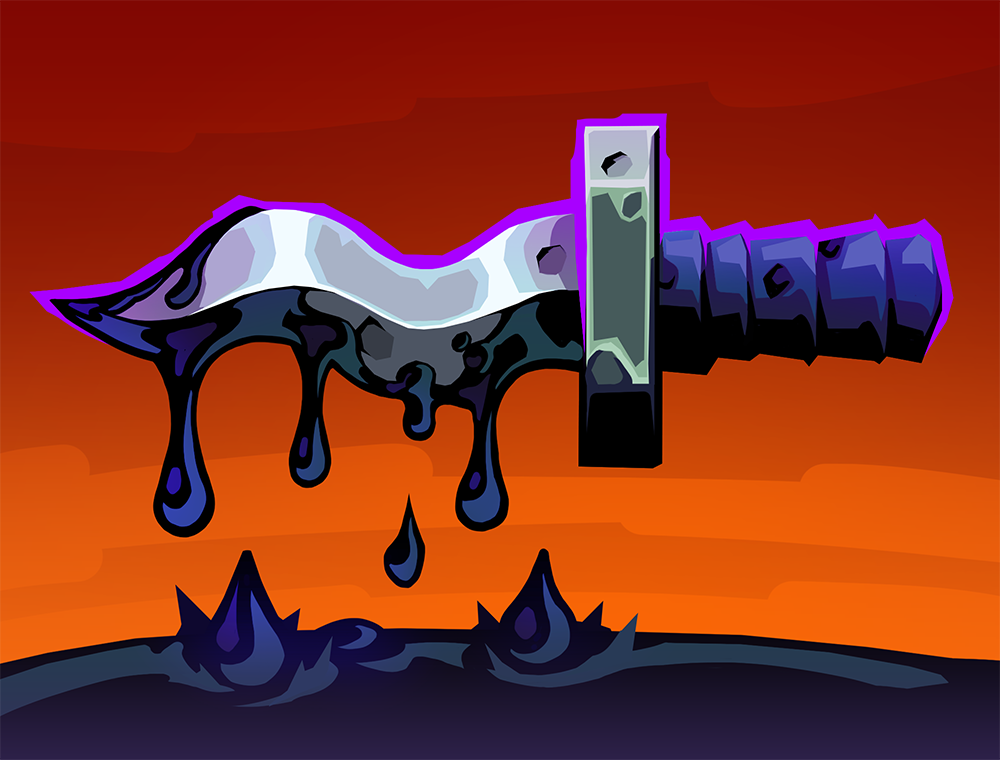
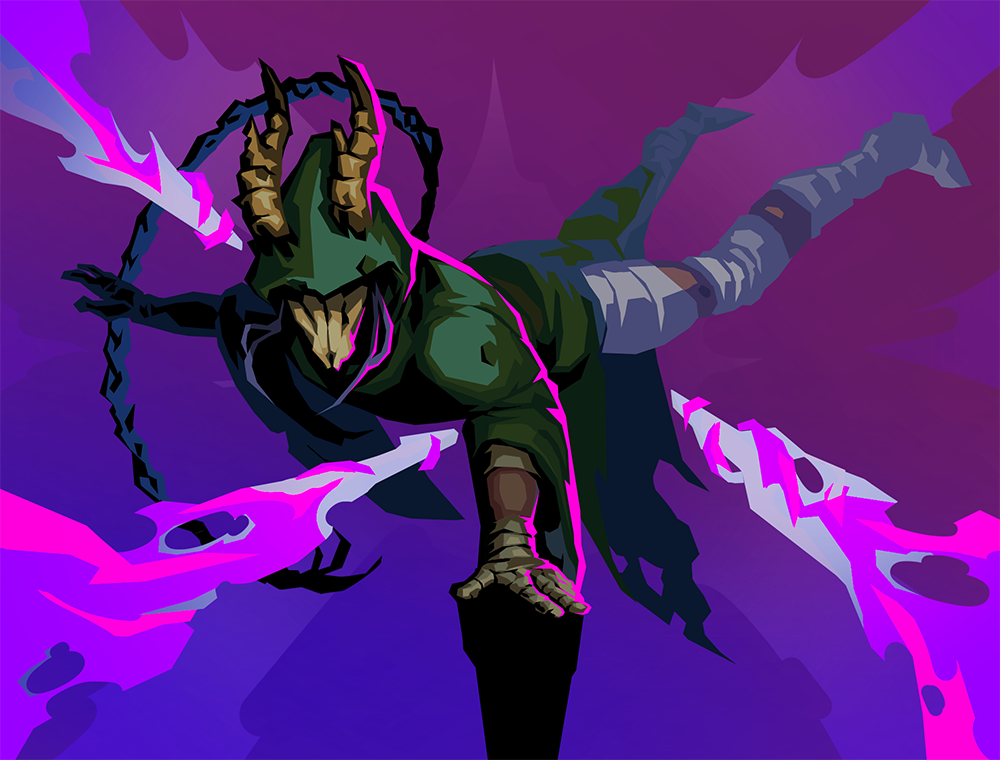
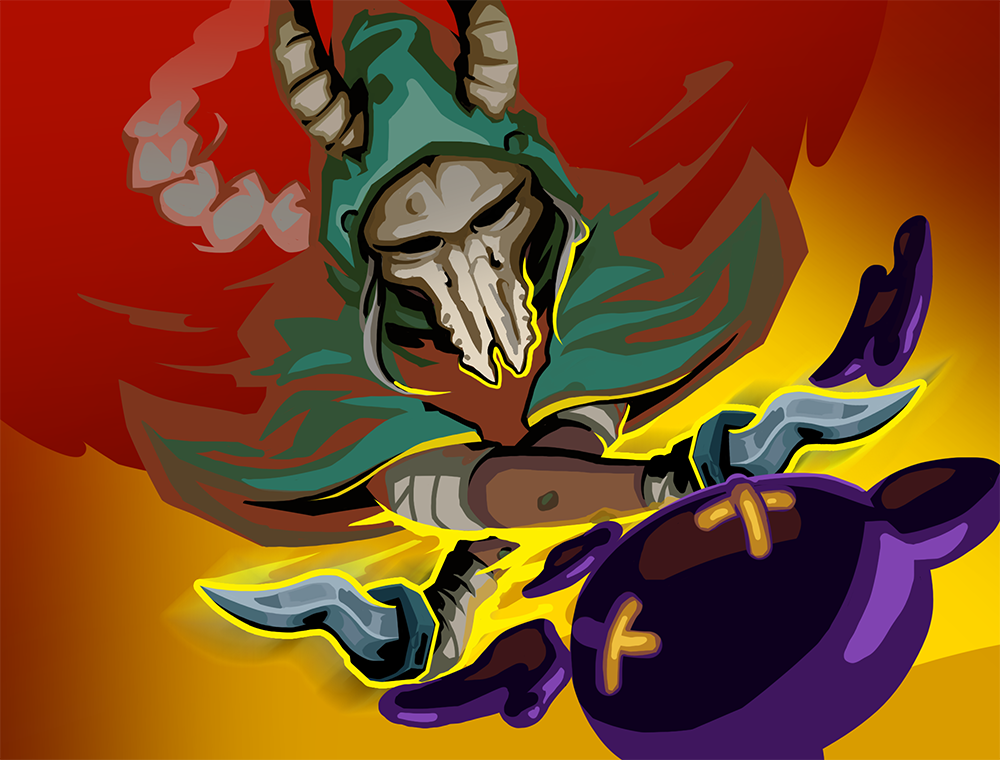
Blade of Ink card artwork

Core Judgment

Silent did not get one clean buff line. The patch pulled value out of easy early cycling and put more value into hand width, discard breakpoints, and Shiv count.

Acrobatics moving up in rarity matters because Silent loses one of the easiest early cycle stabilizers.

Follow Through and Leading Strike both shifted away from their older jobs and now ask whether the deck can exploit hand width or Shiv count instead of admiring one front-loaded hit.

Blade of Ink is the real identity change. It no longer waits for an attack chain to already exist. It creates the pressure itself.
Card By Card

Read these top to bottom. The point is not to memorize a changelog. The point is to stop drafting or upgrading Silent cards as if they still do their older job.

Acrobatics card artwork
SilentSkill1 EnergyUncommonRarity shift

Acrobatics

Before

Common. Same 1-cost draw 3, discard 1 text.

Now

Uncommon. Text and upgrade stay the same.

The card still does the same job, but you should stop assuming every early Silent draft gets cheap cycle for free.

Follow Through card artwork
SilentAttack1 EnergyCommonFull rework

Follow Through

Before

Uncommon. Deal 6(8) to all enemies, then apply 1(2) Weak to all enemies if the last card you played was a Skill.

Now

Common. Deal 7(9) to one enemy. If you have 5 or more other cards in hand, it hits a second time.

This stopped being a cleanup debuff card and became a hand-size payoff. Wide turns and extra draw now matter more than sequencing one Skill first.

Memento Mori card artwork
SilentAttack1 EnergyUncommonNumber buff

Memento Mori

Before

1-cost Uncommon. 8(10) base damage plus 4(5) more per discard this turn.

Now

1-cost Uncommon. 9(11) base damage plus the same 4(5) per discard.

This is a plain stat buff, but discard lethal lines live on exact breakpoints, so a one-point bump is not cosmetic.

Speedster card artwork
SilentPower2 EnergyUncommonUpgrade rewrite

Speedster

Before

2-cost Uncommon. Each draw during your turn dealt 2 damage, or 3 once upgraded.

Now

2-cost Uncommon. The trigger stays at 2 damage, and the upgrade grants Innate instead.

The upgrade now fixes opening shape instead of chasing ceiling. That is cleaner for decks that need the engine online immediately.

Blade of Ink card artwork
SilentSkill1 EnergyRareFull rework

Blade of Ink

Before

1-cost Rare. For the turn, each Attack granted 2(3) temporary Strength.

Now

1-cost Rare. Add 2(3) Inky Shivs to your hand.

This is the real package shift. Blade of Ink now manufactures its own burst and Weak application instead of begging for an attack chain that already exists.

Leading Strike card artwork
SilentAttack1 EnergyCommonOutput shift

Leading Strike

Before

1-cost Common. Deal 7(10) damage and add 1 Shiv.

Now

1-cost Common. Deal 3(6) damage and add 2 Shivs.

Most of the old front-hit damage got moved into token count. If your deck rewards Shiv volume, the card got more interesting even though the opener hit got much smaller.

Inky Read

The useful question is not whether Inky exists. The useful question is what it actually changes once Blade of Ink starts making the attacks for you.

What Inky actually adds

Inky currently adds 1 damage and 1 Weak to the enchanted attack. On a normal Shiv that means a 0-cost, Exhaust attack now swings for 5 and applies Weak on the same hit.

Blade of Ink now creates its own pressure

Base Blade of Ink effectively creates 10 raw attack damage across two Shivs before any extra Strength or Shiv support is counted. The upgraded version creates 15.

The generated rider scales with target pattern

If the attack that carries Inky changes how it targets, the Weak application follows that hit pattern too. The rider is attached to the attack, not to a separate delayed effect.

What This Means In Real Runs

Patch pages are useful only if they change decisions. These are the three decisions the Silent player should actually change.

Early Silent loses one free stabilizer

Acrobatics moving to Uncommon means early discard shells have to work a little harder to smooth clumsy draws. You can still get there, but it is not handed out at Common anymore.

Wide-hand payoffs got more real

Follow Through now rewards keeping a fat hand instead of sequencing a specific card type. That pushes draw engines and low-cost filler closer to actual damage payoff.

Shiv shells shifted from opener damage to trigger density

Leading Strike and Blade of Ink both push more of their value into Shiv count. That matters if the deck cares about Accuracy-style scaling, on-play triggers, or simply chaining cheap attacks.

Related Pages

Open the next narrower page once the patch read is settled and you need an actual deck, damage, or database decision.

FAQ

Short answers for the points Silent players are still likely to remember wrong.

Did Acrobatics change its text or only its slot?

Only the slot changed. Acrobatics still costs 1, draws 3 cards, discards 1, and upgrades to draw 4.

Is Follow Through still an all-enemy Weak card?

No. The current version is single-target and checks whether you still have 5 or more other cards in hand for the second hit.

What exactly changed on Speedster+?

The upgraded card no longer increases the per-draw damage. It now starts the fight with Innate instead.

What does Inky do on a generated Shiv?

It adds 1 damage to the hit and applies 1 Weak through the same attack, so a normal Shiv becomes a 5-damage hit with Weak attached.

Why does Leading Strike feel weaker on the first click?

Because much more of the card value moved into the extra Shiv count. The opener hit is lower, but the follow-up token density is higher.